Research materials / identity first
Understand the material before the catalog.
Plain-language profiles for molecular identity, model-system evidence, interpretation limits, and the records that support reproducible procurement.
Material profiles
Identity, evidence, and documentation
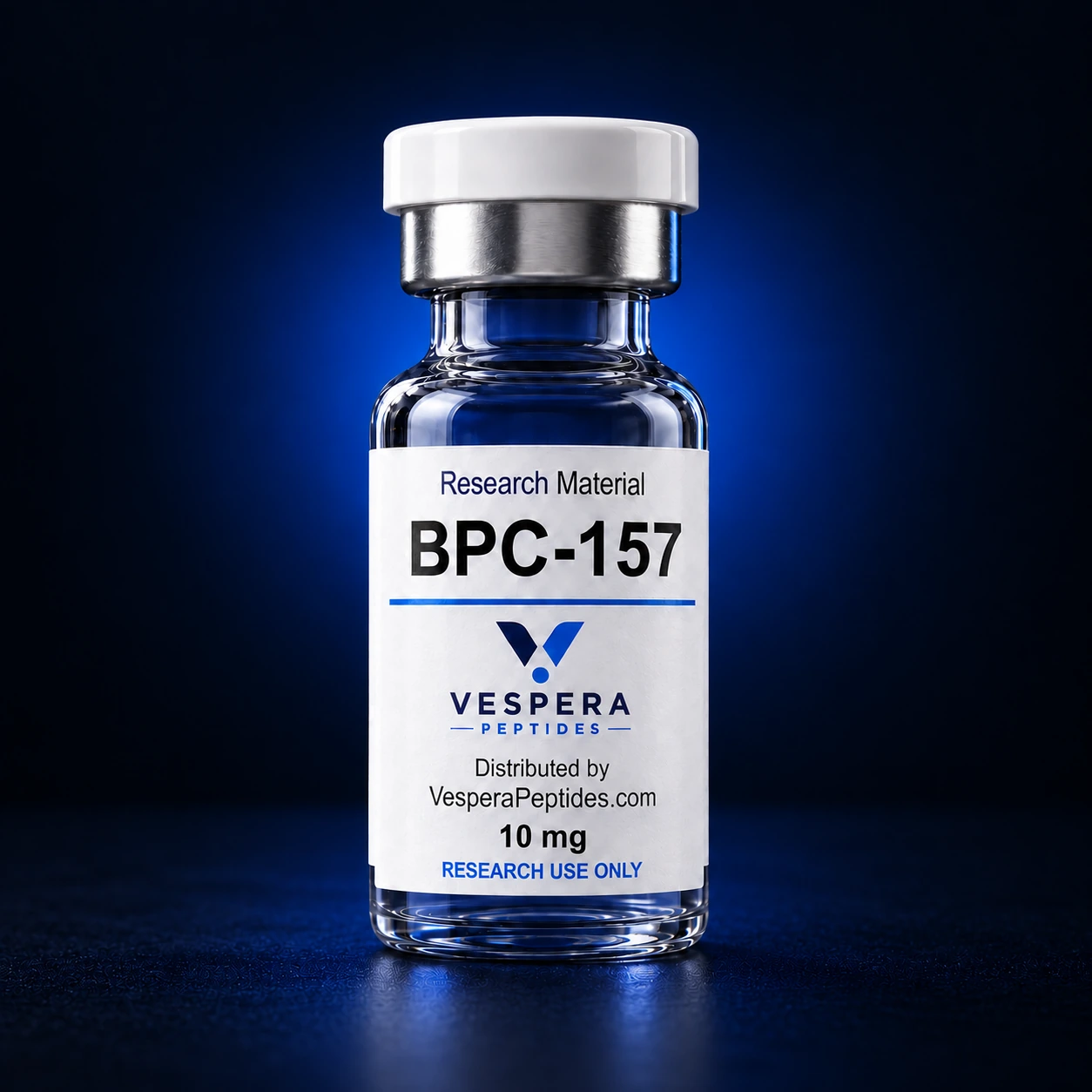 Synthetic pentadecapeptide
BPC-157
BPC-157 is a 15-amino-acid research peptide. Published work has mostly used isolated cells, tissues, and animal models to study vascular signaling and repair-related processes.
Preclinical-dominant evidence
Synthetic pentadecapeptide
BPC-157
BPC-157 is a 15-amino-acid research peptide. Published work has mostly used isolated cells, tissues, and animal models to study vascular signaling and repair-related processes.
Preclinical-dominant evidence
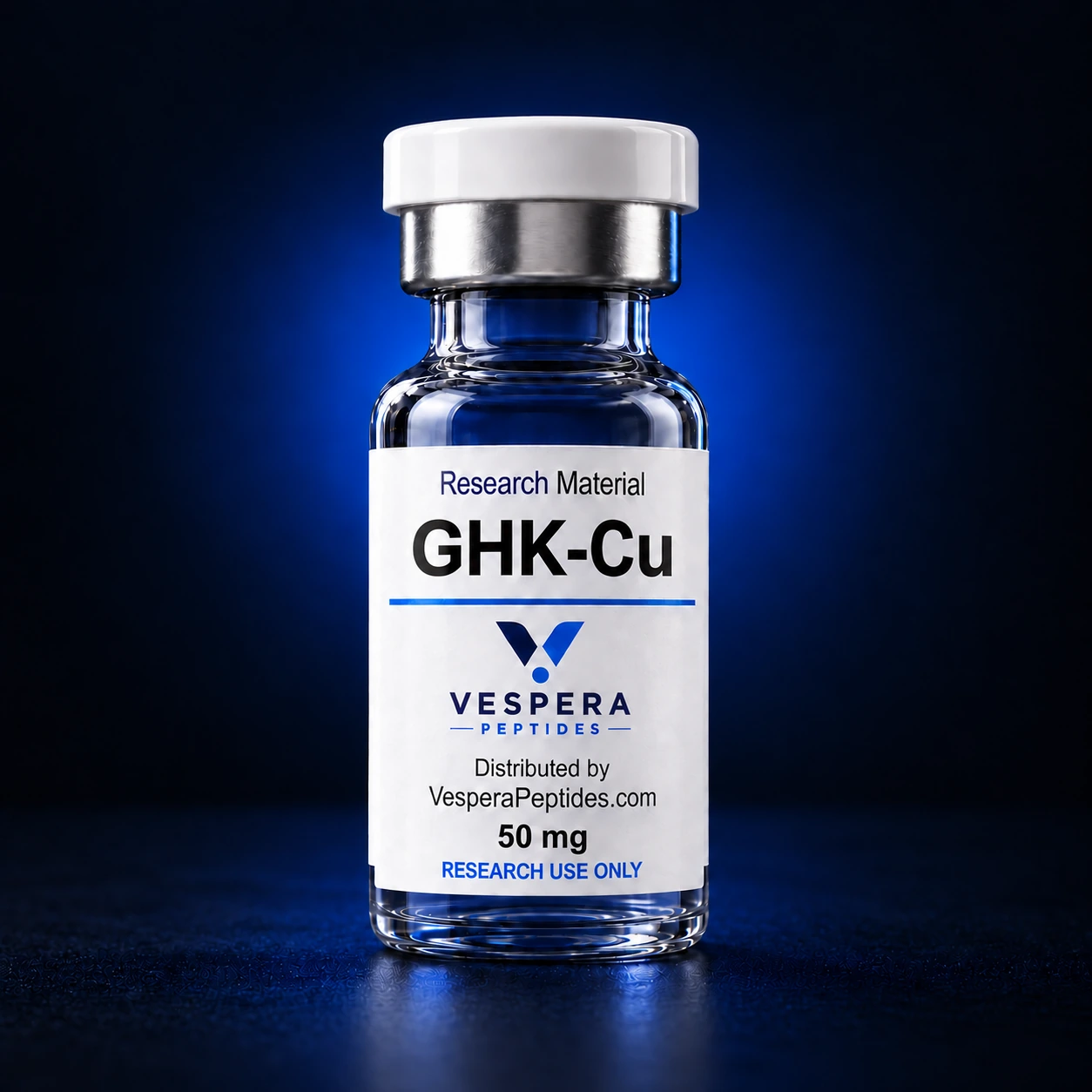 Copper(II) complex of a tripeptide
GHK-Cu
GHK-Cu is a coordination complex formed by the tripeptide glycyl-L-histidyl-L-lysine and copper(II). Research often examines fibroblast behavior, extracellular-matrix signaling, and copper-dependent effects.
Primarily cell and material-system evidence
Copper(II) complex of a tripeptide
GHK-Cu
GHK-Cu is a coordination complex formed by the tripeptide glycyl-L-histidyl-L-lysine and copper(II). Research often examines fibroblast behavior, extracellular-matrix signaling, and copper-dependent effects.
Primarily cell and material-system evidence
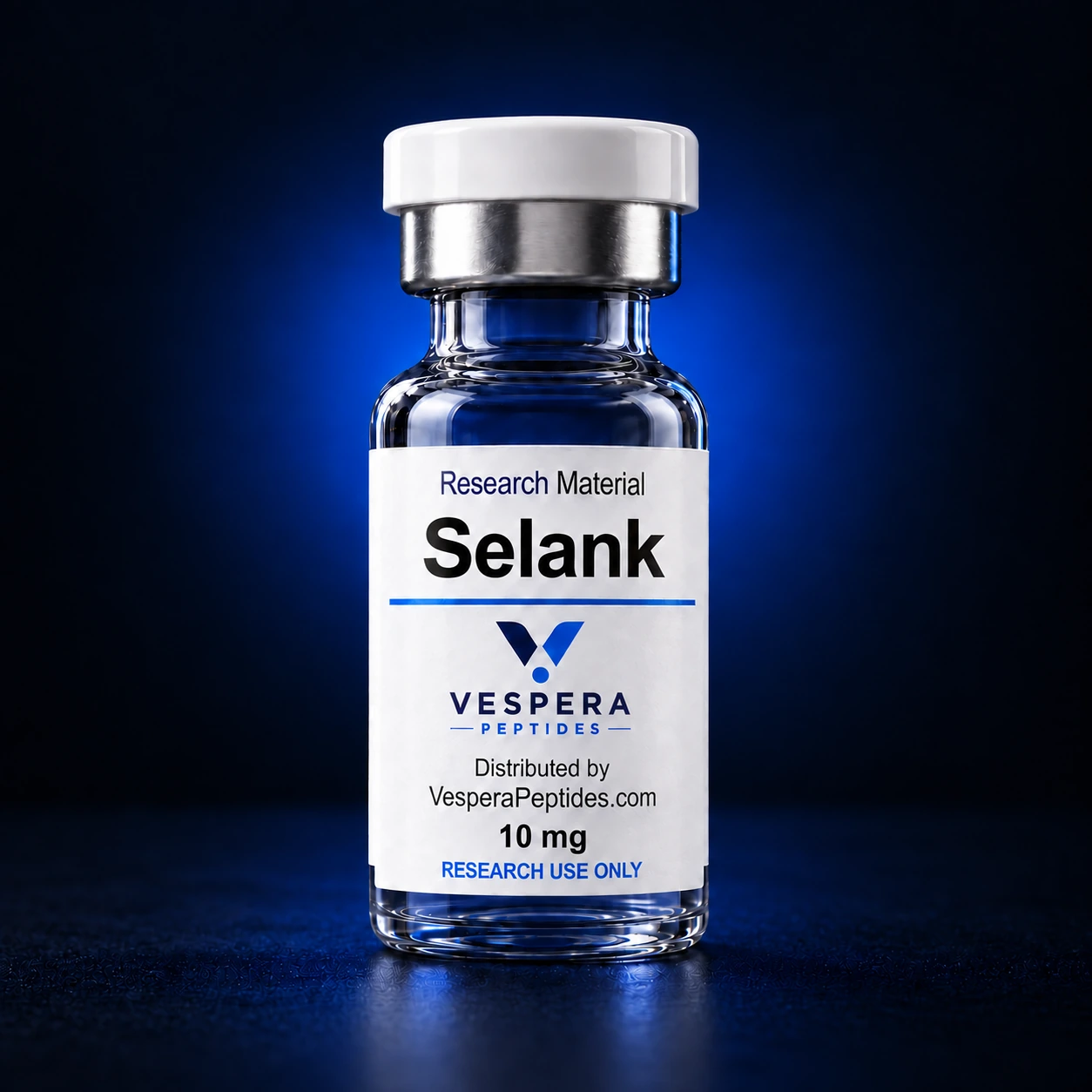 Synthetic tuftsin-derived heptapeptide
Selank
Selank is a seven-amino-acid peptide derived from the tuftsin sequence. Published mechanistic work has examined GABA-receptor binding and neurotransmission-related gene expression, mostly in laboratory and animal systems.
Mechanistic and animal-model evidence
Synthetic tuftsin-derived heptapeptide
Selank
Selank is a seven-amino-acid peptide derived from the tuftsin sequence. Published mechanistic work has examined GABA-receptor binding and neurotransmission-related gene expression, mostly in laboratory and animal systems.
Mechanistic and animal-model evidence
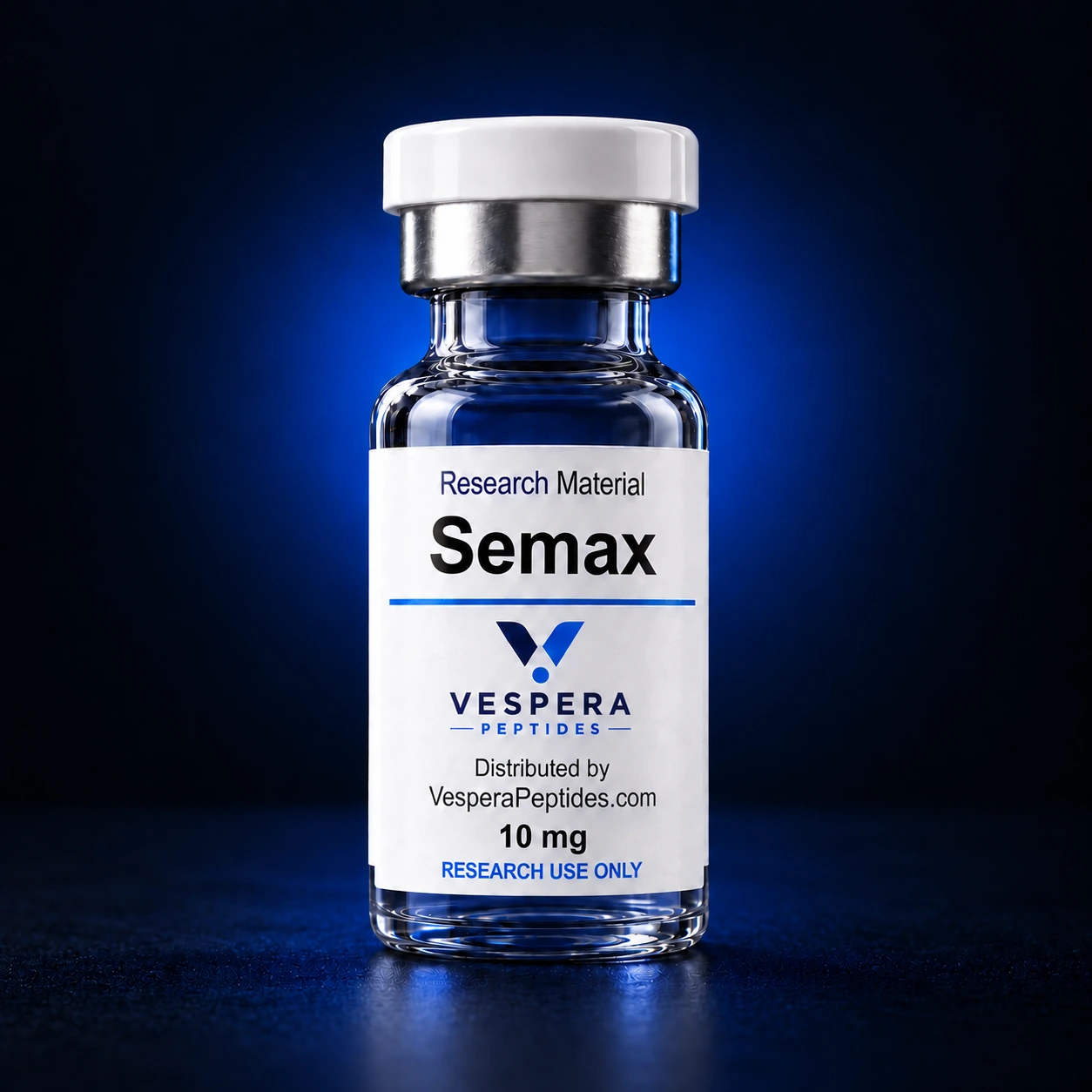 Synthetic ACTH(4–10)-derived heptapeptide
Semax
Semax is a seven-amino-acid synthetic analog derived from the ACTH(4–10) sequence. Laboratory studies have examined neurotrophin-related gene expression and signaling in rodent tissues and models.
Mechanistic and animal-model evidence
Synthetic ACTH(4–10)-derived heptapeptide
Semax
Semax is a seven-amino-acid synthetic analog derived from the ACTH(4–10) sequence. Laboratory studies have examined neurotrophin-related gene expression and signaling in rodent tissues and models.
Mechanistic and animal-model evidence
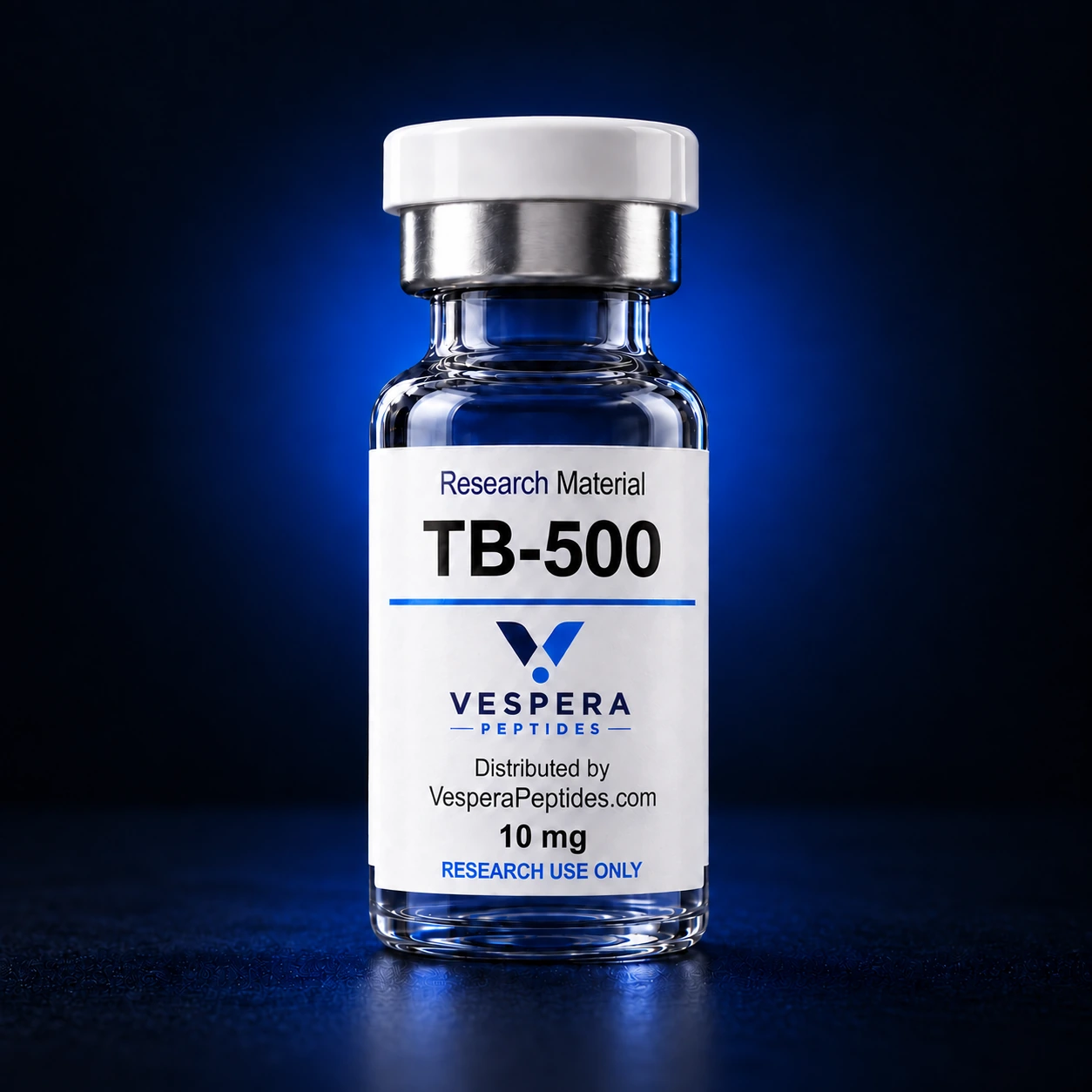 Thymosin-β4 fragment research peptide
TB-500
TB-500 is used in current FDA materials for the N-acetylated seven-amino-acid sequence LKKTETQ, a fragment corresponding to residues 17–23 of full-length thymosin β4.
Identity-sensitive preclinical evidence
Thymosin-β4 fragment research peptide
TB-500
TB-500 is used in current FDA materials for the N-acetylated seven-amino-acid sequence LKKTETQ, a fragment corresponding to residues 17–23 of full-length thymosin β4.
Identity-sensitive preclinical evidence
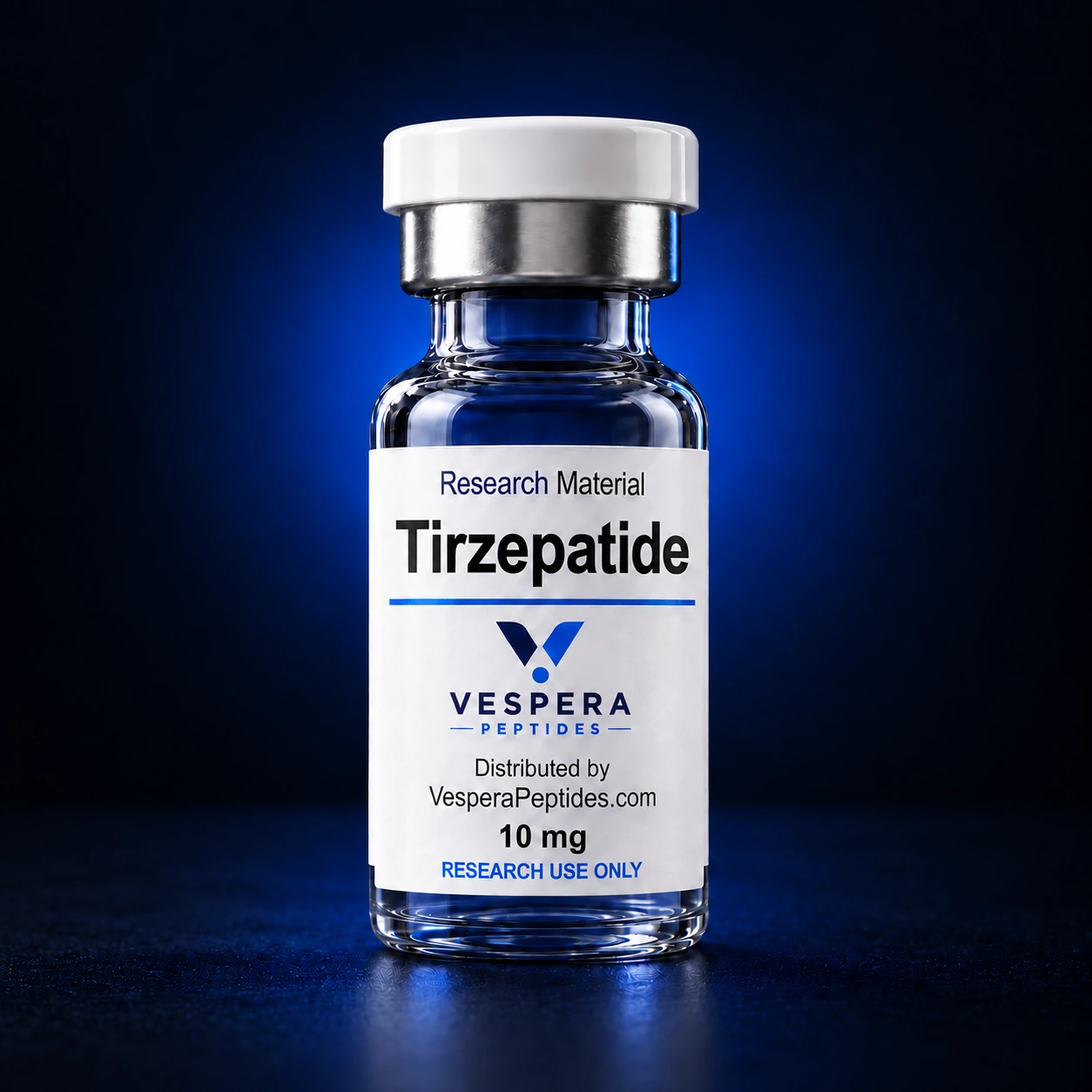 Acylated dual GIP/GLP-1 receptor agonist peptide
Tirzepatide
Tirzepatide is an acylated peptide that activates the GIP and GLP-1 receptors. It is also the active ingredient in FDA-approved prescription products, but that fact does not make a separate research material an approved drug or a substitute for one.
Extensive drug literature; strict material boundary
Acylated dual GIP/GLP-1 receptor agonist peptide
Tirzepatide
Tirzepatide is an acylated peptide that activates the GIP and GLP-1 receptors. It is also the active ingredient in FDA-approved prescription products, but that fact does not make a separate research material an approved drug or a substitute for one.
Extensive drug literature; strict material boundary
01
Identity
Names, sequence or chemical form, and the distinctions that prevent one material from being mistaken for another.
02
Evidence
What a paper actually measured, in which model, and where the result stops.
03
Documentation
How SKU, lot, method, result, and report date fit together without turning one purity number into a universal quality claim.